

reports and resources.
Decolonized Harm Reduction Research.
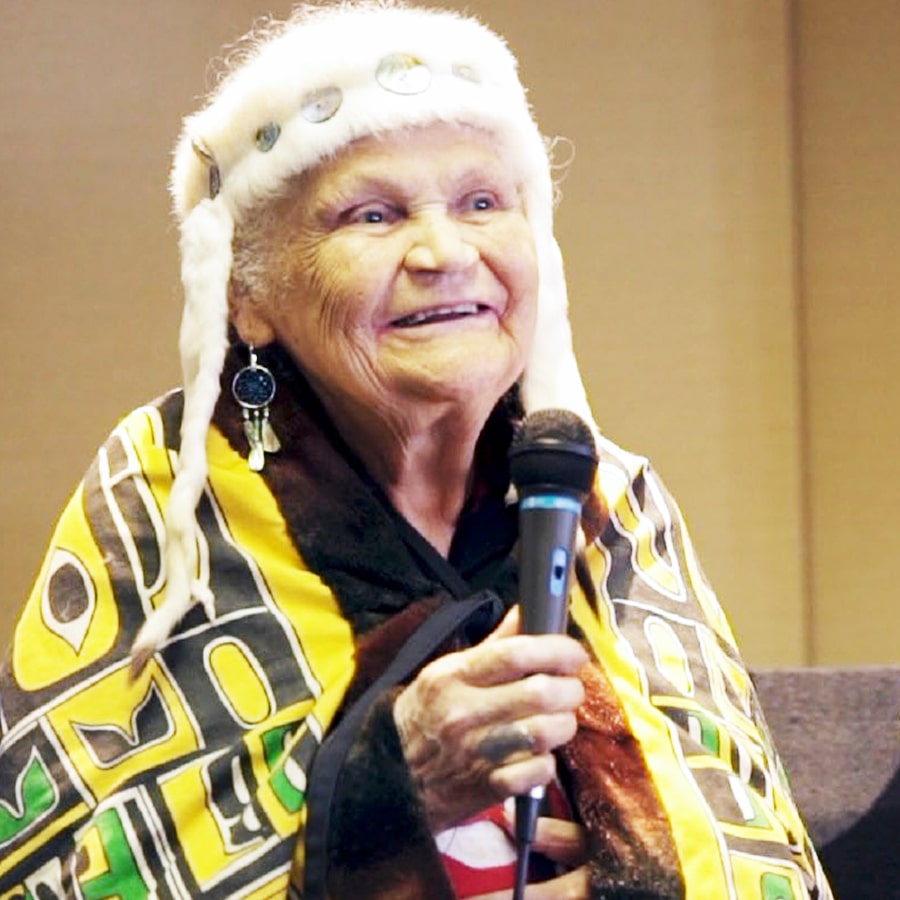
Wisdom of the Elders – Guidance from the Community: A Tailored Approach to Indigenize Harm Reduction. With funding from First Nations Health Authority and Vancouver Island Health Authority, in June 2018, the Aboriginal Coalition to End Homelessness held a 2-day Gathering to collaboratively develop a harm reduction framework contextualized by Indigenous knowledge. This report is an overview of the Gathering.
The Aboriginal Coalition to End Homelessness is considering an Indigenous-led Managed Alcohol Program (MAP) to support those experiencing housing insecurity and alcohol dependence. ACEHS obtained a grant from Vancouver Island Health Authority to fund a MAP Feasibility study and commissioned Coreen Child Consulting to facilitate consultations with community members and service providers. Renee McBeth Beausoleil supported the research and led the writing behind this report.
Voices of the Indigenous Street Family.
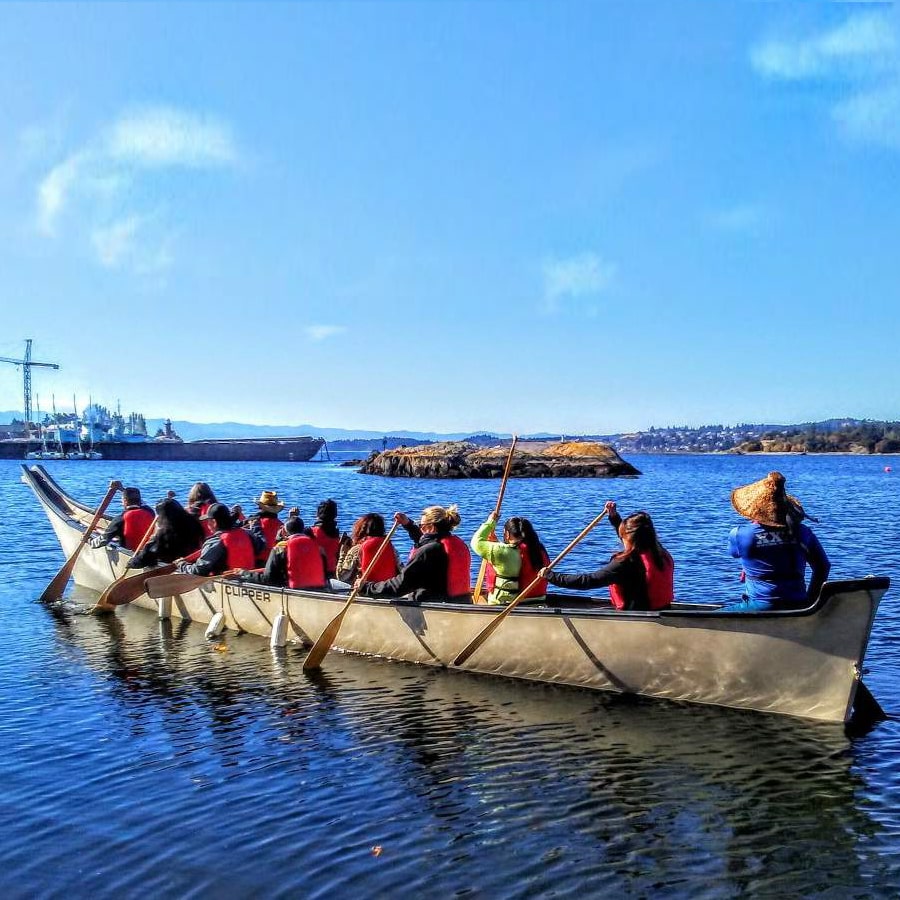
In early 2016, the Victoria Integrated Court and Island Health Assertive Community Treatment and Intensive Case Management (ACT and ICM) teams identified 74 individuals with high needs, requiring individualized, low barrier, culturally safe living environments with intensive supports. These individuals were homeless or recently homeless and almost all were banned or recently banned from housing and/or shelter services. The importance of this population in our community has resulted in the group being called the ‘Priority One’ population. 20 of the 74 people identified as Priority One also self-identify as Aboriginal. The Victoria Cool Aid Society (VCAS), the ACEHS and Island Health partnered to submit a proposal to the CRD to find a pilot program with a culturally-specific model of care. VCAS committed to provide 20 housing units, ACEHS agreed to provide leadership related to cultural components and Island Health provided a contact from 713 to assist in support The Priority One Lessons Learned Report compiled in March 2018 is a culmination of lessons learned over the course of sixteen months of Phase 1 of the Priority One pilot program – Towards Health and Well Being Through Cultural Community.
The Vision for Our Future Report released in December 2016 documents a project sought to develop an overall report and action plan to combat Aboriginal homelessness in Victoria. The Aboriginal Coalition to End Homelessness brought together participants from the Aboriginal Street Community to share their experiences with homelessness to learn about the barriers they face, and hear their ideas for action and change. The report helped to shape the Aboriginal Coalition’s direction and strategic priorities.
The Indigenous Systems Improvement Map identifies organizations that Indigenous street community members use for emotional and mental wellness, spiritual and cultural wellness, as well as physical wellness.
The top 10 accessed organizations were invited to join the Collaborative Response Network to address the core service gaps in our community.
We learned from the Indigenous Street Community about their perspectives on the language commonly used to describe their lived and living experience. Wise practice for service providers to reduce the impacts of stigma was also shared.
Some of the wise practices to avoid stigma is to use community centered language, acknowledge diversity of personal experiences and use person-first language.
Program Resources.

The Family Reunification Program (FRP) provides a safe, comfortable home environment for Indigenous Street Family members to visit with their children and grandchildren in Ministry care or staying with extended family. In addition to accessing the 3-bedroom townhouse, the following supports are provided by the program coordinator: service navigation, visitation supervision as needed, house maintenance, and safety preparedness. Through the FRP, self-identity is strengthened, intergenerational familial connection is (re)built, and Indigenous Street Family members who otherwise would be unable to connect with their children are finding a deep, lasting purpose. In its first year of operation, access to the FRP has proven to have transformational impacts, leading to harm reduction among parents and extended visitations with their children over time.
After participating in a series of Sharing Circles and community-led workshops, ACEHS staff developed recommendations for how our organization can better support First Nations, Métis and Inuit 2SLGBTQQIA+ staff and Family Members. Recommendations have been grouped into four focus areas and are presented here as an Action Framework.
The Four Areas include: Building inclusive environments, building strong community networks, creating accessible education and programs and developing inclusive policies and regulations.
About Spa' Qun House
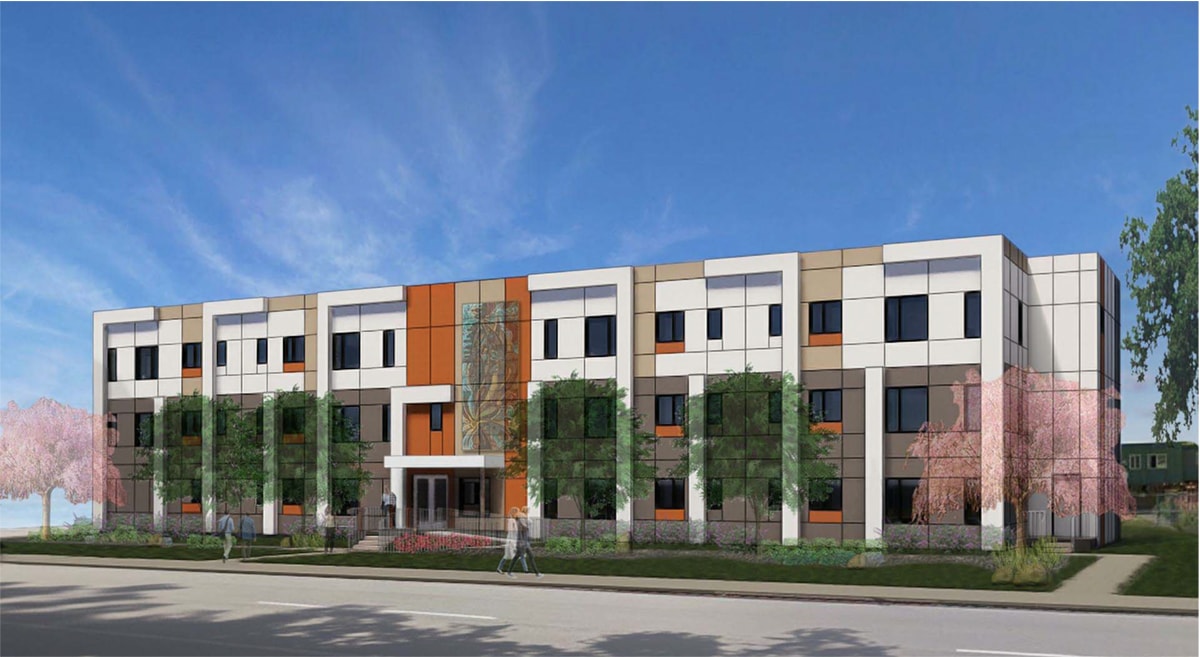
ACEH has been working hard on its latest project Spa’Qun House – Indigenous Women’s Housing. This facility is set to open in January 2020. For more information, please contact operations@acehsociety.ca.
With gratitude the ACEH Society acknowledges the Lekwungen (Esquimalt and Songhees), Malahat, Pacheedaht, Scia’new, T’Sou-ke and W̱SÁNEĆ (Pauquachin, Tsartlip, Tsawout, Tseycum) peoples on whose ancestral homelands and unceded territories we gather, live, and work.